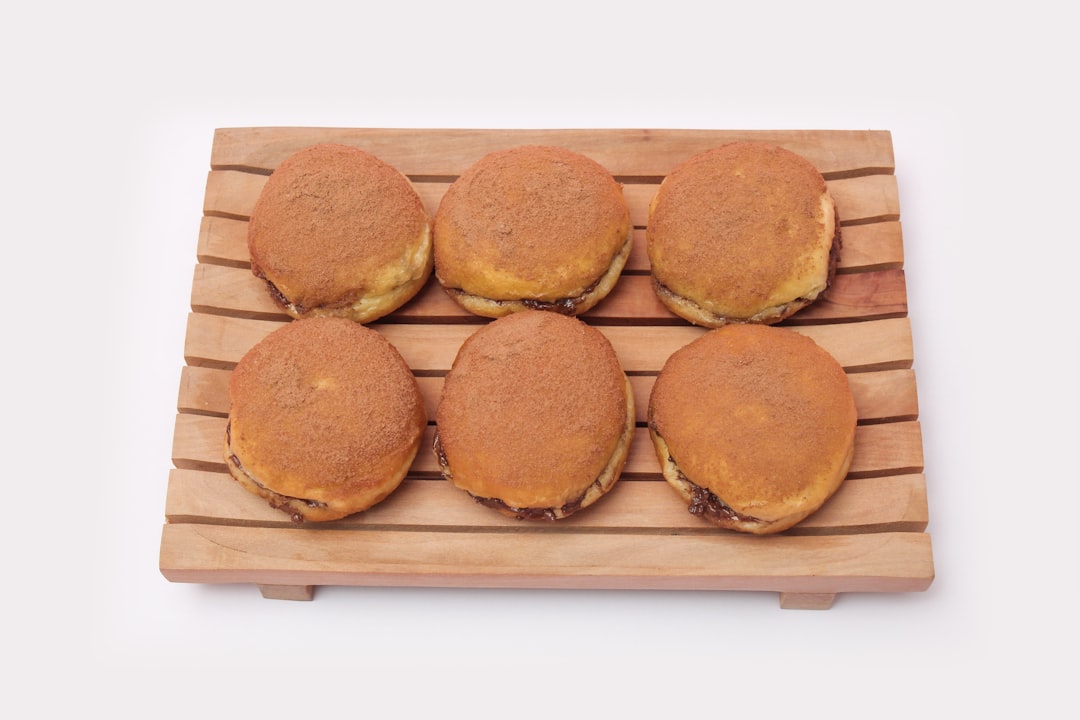
Dorayaki: The Anko-Filled Pancake Japan Loves
Dorayaki, a traditional Japanese dessert, is more than just a pancake filled with sweet anko (red bean paste). It’s a delicate balance of textures and flavors that has captured the hearts of many. However, what makes dorayaki truly special is its versatility and the challenge it presents to chefs and home cooks alike. Despite its popularity, many attempts at making dorayaki at home result in dense, dry pancakes or anko that’s overly sweet. So, what’s the secret to making authentic, delicious dorayaki?
The Key to Success: Technique and Balance
The key to successful dorayaki lies in the technique and the balance between the pancake and the anko. The pancake batter must be light and airy, with just the right amount of structure to hold the generous filling of anko. The anko itself must be sweet but not cloying, with a depth of flavor that complements the pancake. Achieving this balance requires a deep understanding of the ingredients and the process.
At its core, dorayaki is made from a few simple ingredients: flour, sugar, eggs, and anko. The quality of these ingredients, particularly the anko, can greatly affect the final product. Freshly made anko, with its rich, slightly sweet flavor, is essential for authentic dorayaki. The type of flour used can also impact the texture of the pancakes, with some flours producing a lighter, more delicate cake than others.
The full recipe below covers exact weights, step-by-step technique, and the pro details that make the difference. With the right approach, you can create dorayaki that rivals those found in Japanese cafes and bakeries. So, if you’re ready to take your dorayaki game to the next level, keep reading.
Full Premium Recipe: Dorayaki for 4
For the pancakes:
- 250g all-purpose flour
- 100g granulated sugar
- 2 large eggs
- 120ml whole milk
For the anko:
- 200g azuki beans, cooked and mashed
- 100g granulated sugar
- 20g salt
- 20ml water
Step-by-Step Instructions
To make the anko, combine the mashed azuki beans, granulated sugar, salt, and water in a saucepan. Cook over medium heat (180°F/82°C), stirring constantly, until the mixture thickens and reduces slightly, about 10-12 minutes. Remove from heat and let cool.
To make the pancake batter, whisk together the flour, sugar, and eggs in a large bowl. Gradually add the milk, whisking until smooth. The batter should still be slightly lumpy. Heat a non-stick pan over medium heat (180°F/82°C). Using a 1/4 cup measuring cup, scoop the batter into the pan. Cook for 2-3 minutes, until bubbles appear on the surface and the edges start to dry. Flip and cook for an additional 1-2 minutes, until golden brown.
Pro Tips
- Use high-quality anko or make your own from scratch for the best flavor.
- Don’t overmix the pancake batter, as this can lead to dense cakes.
- Adjust the amount of sugar in the anko to your taste, but keep in mind that traditional dorayaki is not overly sweet.
Common Mistakes to Avoid
One of the most common mistakes when making dorayaki is overcooking the pancakes, resulting in dry, dense cakes. Another mistake is using low-quality or overly sweet anko, which can throw off the balance of flavors.
Storage and Reheating Notes
Dorayaki is best served fresh, but it can be stored in an airtight container at room temperature for up to 2 days. To reheat, simply wrap the dorayaki in a damp paper towel and microwave for 10-15 seconds. This will help restore the moisture and texture of the pancakes.

コメント