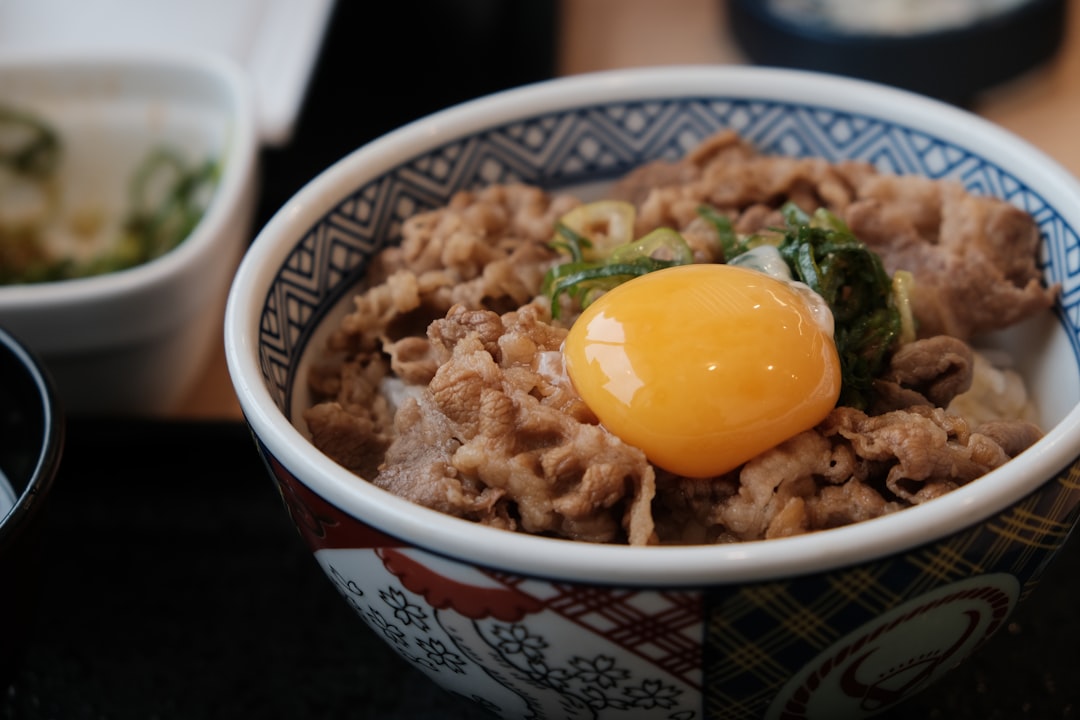
Ochazuke: The Late-Night Japanese Tea-Over-Rice Bowl
Ochazuke, a traditional Japanese dish, is often misunderstood and underappreciated. At its core, it’s a simple concept: green tea poured over a bowl of Japanese rice, often accompanied by various savory ingredients. However, the nuances of this dish are what make it truly special. The key to a great ochazuke lies in its balance of flavors and textures, which is where many people go wrong. They either overcomplicate the dish with too many ingredients or underseason it, leading to a bland and uninspiring experience.
The Philosophy Behind Ochazuke
The philosophy behind ochazuke is rooted in the Japanese concept of “mottainai,” or the art of not wasting. This dish was originally created as a way to repurpose leftover rice, transforming it into a new and exciting meal. The technique involves carefully selecting ingredients that complement the tea and rice without overpowering them, creating a harmonious balance of flavors. This balance is what makes ochazuke a true reflection of Japanese cuisine’s emphasis on simplicity and mindfulness.
A basic ochazuke recipe includes Japanese short-grain rice, green tea, and various toppings such as umeboshi (Japanese pickled plums), grilled salmon, or furikake (a Japanese seasoning blend). The quality of these ingredients is crucial, as they will greatly impact the final flavor and texture of the dish. From the type of green tea used to the freshness of the ingredients, every detail counts in creating an authentic ochazuke experience.
So, what sets a truly exceptional ochazuke apart from a mediocre one? The answer lies in the subtle details and techniques that only a seasoned chef would know. The full recipe below covers exact weights, step-by-step technique, and the pro details that make the difference.
Complete Ochazuke Recipe
Serves 4
Ingredients:
- 400g Japanese short-grain rice
- 1L water
- 20g green tea leaves (such as sencha or gyokuro)
- 200g grilled salmon, sliced into thin pieces
- 100g umeboshi, sliced
- 20g furikake
- 10g sesame seeds
- 10g grated daikon radish
Step-by-Step Instructions:
First, prepare the Japanese rice according to the package instructions. Typically, this involves rinsing the rice in cold water (around 10°C/50°F) and then cooking it in a medium saucepan with 1L of water at 180°C/356°F for about 18-20 minutes, or until the water is absorbed and the rice is cooked. Allow the rice to cool to room temperature.
Next, brew the green tea by heating 500ml of water to 80°C/176°F and then steeping the 20g of green tea leaves for 2-3 minutes. Strain the tea leaves and set the tea aside.
To assemble the ochazuke, place a scoop of the cooled Japanese rice into a bowl. Arrange the sliced grilled salmon, umeboshi, and grated daikon radish on top of the rice. Sprinkle the furikake and sesame seeds over the ingredients.
Finally, pour the brewed green tea over the ingredients in the bowl. The ideal temperature for serving ochazuke is between 60°C/140°F to 70°C/158°F, so adjust the tea temperature accordingly by adding a small amount of hot water if needed.
Pro Tips:
- Use short-grain Japanese rice, as it holds its shape and has the perfect texture for ochazuke.
- Experiment with different types of green tea to find the one that suits your taste preferences.
- Pay attention to the temperature of the tea, as it can greatly affect the overall flavor and texture of the dish.
- Don’t overaccessorize the dish – the beauty of ochazuke lies in its simplicity and balance of flavors.
Common Mistakes to Avoid:
- Using low-quality or stale ingredients, which can greatly impact the flavor and texture of the dish.
- Oversteeping the green tea, resulting in a bitter flavor.
- Not allowing the rice to cool to room temperature, leading to a soggy or mushy texture.
Storage and Reheating Notes:
Cooked Japanese rice can be stored in the refrigerator for up to 3 days. When reheating, add a small amount of water to the rice and heat it in the microwave or on the stovetop until warmed through. Brewed green tea can be stored in the refrigerator for up to 24 hours. For optimal flavor and texture, it’s best to assemble the ochazuke just before serving.





コメント