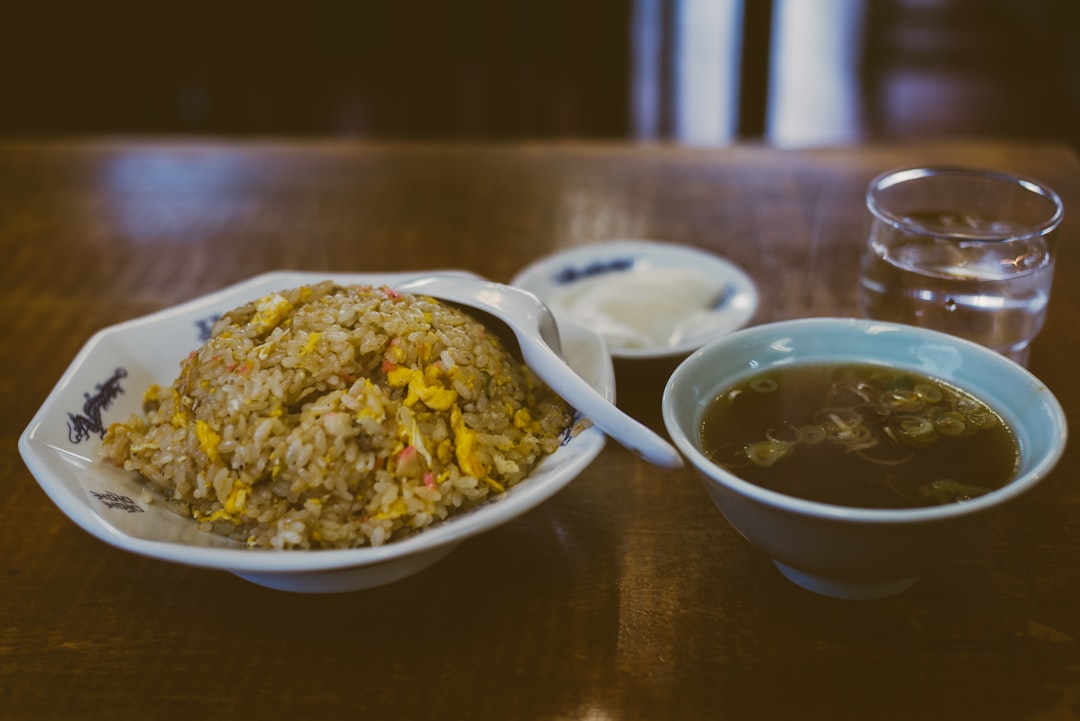
Japanese Fried Rice (Chahan): Wok Breath at Home
Japanese Fried Rice, or Chahan, is a staple dish in Japanese cuisine that is often misunderstood and poorly executed, even by seasoned chefs. What makes this dish special is the perfect balance of flavors, textures, and temperatures that come together to create a truly unforgettable experience. But what sets it apart from its Chinese counterpart is the attention to detail and the emphasis on using only the freshest, highest-quality ingredients.
The Key to Success: Wok Breath
The key technique behind Japanese Fried Rice is the concept of “wok breath,” or the ability to cook the ingredients quickly and evenly, while maintaining a high heat and a precise control over the cooking time. This is achieved by using a combination of high-quality ingredients, a well-seasoned wok, and a deep understanding of the cooking process. The result is a dish that is both familiar and innovative, with a depth of flavor and a satisfying crunch that will leave you wanting more.
The basic ingredients for Japanese Fried Rice include Japanese short-grain rice, vegetable oil, onions, garlic, ginger, scrambled eggs, and a variety of seasonings, such as soy sauce, sake, and mirin. The quality of the ingredients is paramount, and the proportions of each component are critical to achieving the perfect balance of flavors and textures. But what really sets Japanese Fried Rice apart is the technique, and that’s where most recipes fall short.
Most people get Japanese Fried Rice wrong because they fail to understand the importance of wok breath and the delicate balance of flavors and textures. They overcook the rice, add too much soy sauce, or fail to scramble the eggs to the perfect doneness. But with the right technique and ingredients, Japanese Fried Rice can be a truly transcendent dish. The full recipe below covers exact weights, step-by-step technique, and the pro details that make the difference.
Full Premium Recipe: Japanese Fried Rice (Chahan)
Ingredients (serves 4)
- 400g Japanese short-grain rice (preferably Koshihikari or Akita Komachi)
- 20g vegetable oil
- 100g onions, diced
- 50g garlic, minced
- 20g ginger, grated
- 2 eggs, beaten
- 10g soy sauce
- 10g sake
- 5g mirin
- Salt and pepper, to taste
Step-by-Step Instructions
Heat the wok over high heat (220°C/428°F) and add 10g of vegetable oil. Once the oil is hot, add the diced onions and cook for 2-3 minutes, or until they are translucent and starting to caramelize.
Add the minced garlic and grated ginger and cook for an additional minute, stirring constantly to prevent burning.
Push the onion mixture to one side of the wok and add the remaining 10g of vegetable oil. Pour the beaten eggs into the other side of the wok and scramble them until they are cooked through, breaking them up into small pieces as they cook.
Mix the eggs with the onion mixture and add the cooked Japanese short-grain rice to the wok. Cook for 2-3 minutes, stirring constantly, until the rice is heated through and starting to brown.
Add the soy sauce, sake, and mirin to the wok and stir-fry for an additional minute, until the rice is well coated with the seasonings.
Taste and adjust the seasoning as needed, adding salt and pepper to taste.
Pro Tips
- Use a well-seasoned wok to prevent the rice from sticking and to achieve the perfect wok breath.
- Cook the Japanese short-grain rice according to the package instructions and allow it to cool completely before using it in the recipe.
- Don’t overcook the rice or the eggs, as this can make the dish dry and tough.
- Use high-quality ingredients, including fresh vegetables and premium seasonings, to achieve the best flavor and texture.
- Experiment with different seasonings and ingredients to make the dish your own, such as adding diced chicken or shrimp to the recipe.
Common Mistakes to Avoid
- Overcooking the rice or the eggs, which can make the dish dry and tough.
- Adding too much soy sauce or sake, which can make the dish too salty or overpowering.
- Not using high-quality ingredients, which can affect the flavor and texture of the dish.
- Not cooking the dish in a well-seasoned wok, which can prevent the rice from cooking evenly and achieving the perfect wok breath.
Storage and Reheating Notes
Cooked Japanese Fried Rice can be stored in an airtight container in the refrigerator for up to 3 days. Reheat the dish in a wok or large skillet over high heat, stirring constantly, until the rice is heated through and starting to brown. Add a small amount of vegetable oil or soy sauce to the dish if it becomes dry or sticky during reheating.





コメント