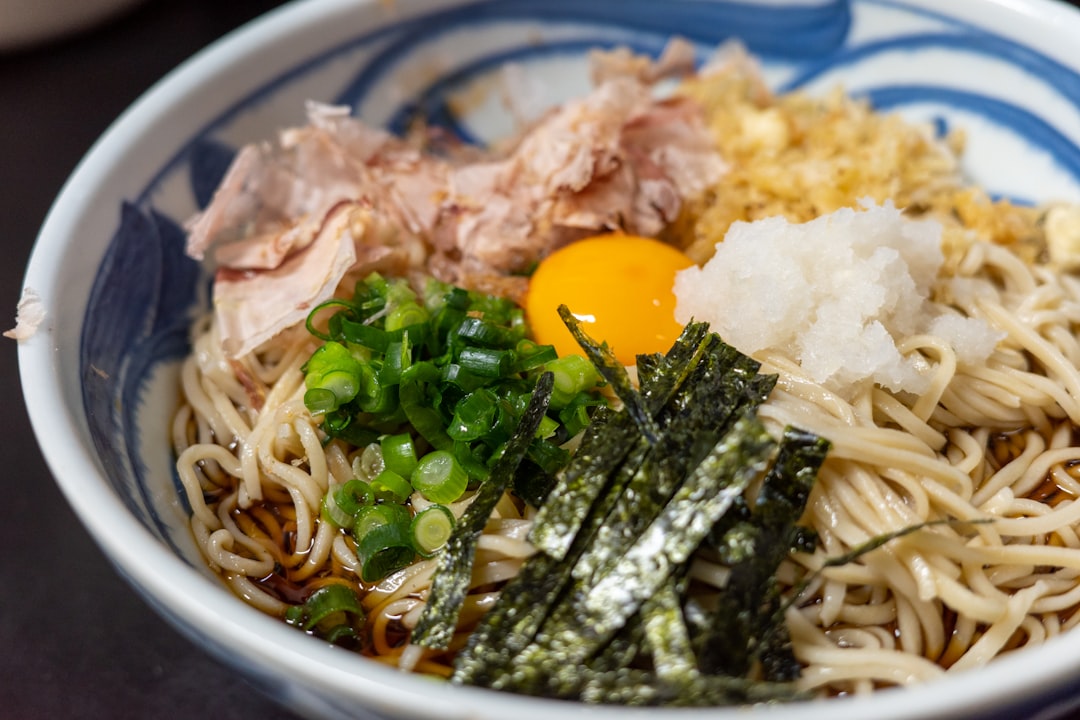
Hiyashi Chuka: Cold Ramen Noodles for Summer
Hiyashi Chuka, or Cold Ramen, is a beloved Japanese dish that perfectly captures the essence of summer. It’s a refreshing, light, and flavorful meal that is both easy to eat and fun to prepare. However, what makes Hiyashi Chuka truly special is its ability to balance a multitude of flavors and textures in a single dish. This delicate balance is what often gets lost in translation, resulting in a lackluster version of this otherwise incredible meal.
The Philosophy Behind Hiyashi Chuka
The key to a great Hiyashi Chuka lies in its simplicity and attention to detail. It’s a dish that requires patience, understanding of flavor profiles, and a bit of creativity. At its core, Hiyashi Chuka is about combining the best of Japanese summer ingredients with the comforting warmth of noodles, all while maintaining a refreshing chill. This juxtaposition of warm and cold, soft and crunchy, is what makes the dish so compelling and addictive.
A basic Hiyashi Chuka recipe includes ingredients such as ramen noodles, sliced pork or chicken, boiled eggs, cucumber, carrots, and a variety of toppings. The sauce, often a combination of soy sauce, vinegar, and sesame oil, brings all the components together. However, the proportions, preparation methods, and choice of ingredients can greatly affect the final outcome. The full recipe below covers exact weights, step-by-step technique, and the pro details that make the difference.
So, what sets a truly exceptional Hiyashi Chuka apart from a mediocre one? It’s the understanding of how each component interacts with the others, and the technique required to bring them all together in harmony. The full recipe below covers exact weights, step-by-step technique, and the pro details that make the difference.
Full Premium Recipe: Hiyashi Chuka for 4
Ingredients:
- 400g ramen noodles
- 200g sliced pork (or chicken)
- 4 boiled eggs, sliced
- 200g cucumber, thinly sliced
- 100g carrots, peeled and grated
- 20g sesame seeds
- 20g chopped scallions
- 60ml soy sauce
- 30ml rice vinegar
- 20ml sesame oil
- Salt and pepper to taste
Step-by-Step Instructions:
1. Start by cooking the ramen noodles according to the package instructions. Typically, this involves boiling them in water at 100°C (212°F) for 2-3 minutes, or until they are slightly undercooked. Drain the noodles and rinse them with cold water to stop the cooking process.
2. In a large bowl, whisk together the soy sauce, rice vinegar, and sesame oil to make the sauce. The ideal temperature for this step is around 20°C (68°F), which allows the flavors to meld together smoothly.
3. Slice the pork or chicken into thin strips and cook them in a pan with a small amount of oil over medium heat (around 180°C or 356°F) until they are fully cooked. This should take about 5-7 minutes, depending on the thickness of the slices.
4. Prepare the toppings by slicing the cucumber and carrots, and boiling the eggs. The eggs should be boiled for 10-12 minutes at 100°C (212°F) to achieve the perfect doneness.
5. To assemble the dish, place a portion of noodles in a bowl, followed by slices of meat, eggs, cucumber, and carrots. Drizzle the sauce over the top and sprinkle with sesame seeds and scallions.
Pro Tips:
- Use high-quality ramen noodles that have a good balance of texture and flavor.
- Don’t overcook the noodles, as this can make them mushy and unappetizing.
- Experiment with different toppings to find your favorite combinations.
- Make the sauce ahead of time to allow the flavors to meld together.
- Use a variety of colors and textures to make the dish visually appealing.
- Overdressing the noodles with sauce, which can make them soggy.
- Not chilling the ingredients before assembling the dish, which can affect the texture and flavor.
- Using low-quality ingredients, which can compromise the overall taste and appearance of the dish.
Storage and Reheating Notes:
Hiyashi Chuka is best served immediately, but it can be stored in the refrigerator for up to a day. To reheat, simply assemble the dish and serve chilled. Note that the noodles may become slightly softer after refrigeration, but this can be mitigated by rinsing them with cold water before serving.





コメント