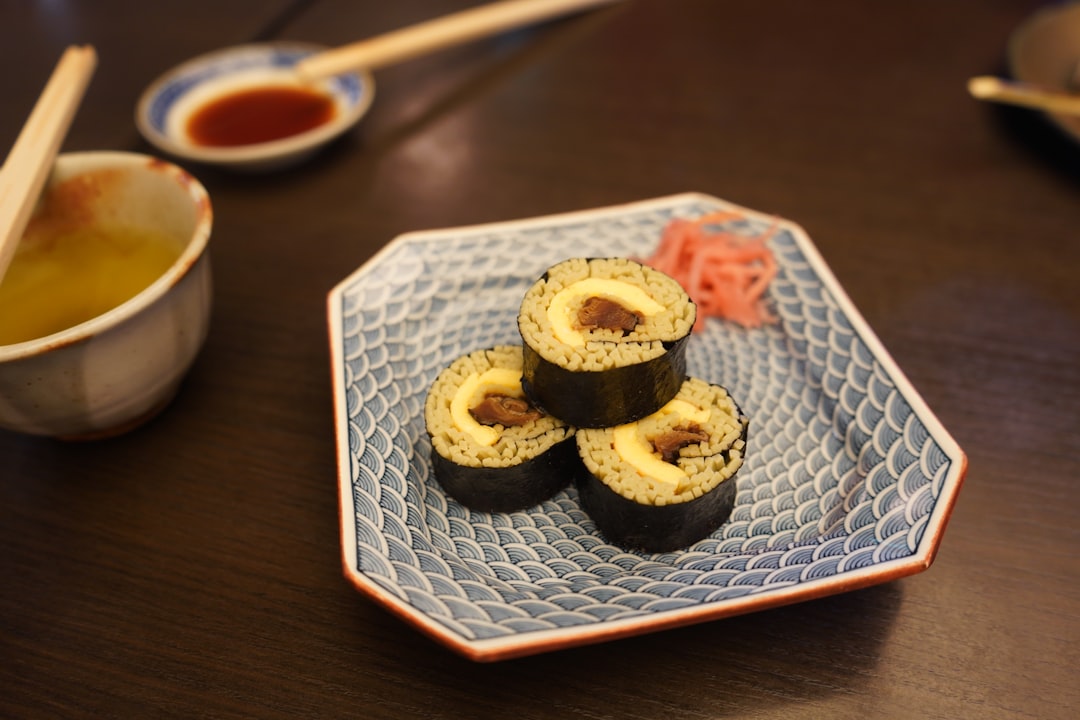
Perfect Tamagoyaki: Layers, Seasoning, The Right Pan
Tamagoyaki, Japan’s iconic rolled omelette, is a dish that’s deceptively simple yet notoriously difficult to master. What makes it special is the delicate balance of flavors, textures, and presentation that come together to create a truly unforgettable culinary experience. However, it’s precisely this balance that often goes awry, resulting in a subpar tamagoyaki that lacks the signature layers, seasoning, and tender bite that define this beloved dish.
The key to perfect tamagoyaki lies in understanding the underlying technique and philosophy behind its preparation. It’s not just about whisking eggs and cooking them in a pan; it’s about coaxing out the subtle nuances of flavor, texture, and visual appeal that elevate this humble omelette to an art form. At its core, tamagoyaki is about balance and harmony – the balance of sweet and savory, the harmony of soft and firm, and the delicate dance of flavors and textures that unfold with each bite.
Basic Ingredients
To create this masterpiece, you’ll need a few essential ingredients, including eggs, dashi broth, soy sauce, sake, mirin, and sugar. The quality of these ingredients is paramount, as they form the foundation upon which the entire dish is built. From the richness of the eggs to the depth of the dashi broth, every component plays a critical role in shaping the final product.
Now, you may be wondering what sets perfect tamagoyaki apart from its lackluster counterparts. The answer lies in the details – the precise temperatures, the gentle folding, and the meticulous attention to texture and flavor. The full recipe below covers exact weights, step-by-step technique, and the pro details that make the difference.
Full Premium Recipe: Perfect Tamagoyaki
Ingredients (serves 4)
- 240g eggs
- 120ml dashi broth
- 20g soy sauce
- 15g sake
- 10g mirin
- 5g granulated sugar
Step-by-Step Instructions
Preheat your tamagoyaki pan to 180°C (356°F) and brush it with a thin layer of oil. In a large bowl, whisk together the eggs, dashi broth, soy sauce, sake, mirin, and sugar until just combined. Pour approximately 60g of the egg mixture into the preheated pan and cook for 1-2 minutes, or until the edges start to set. Use a spatula to gently lift and fold the edges towards the center, allowing the uncooked egg to flow to the edges. Repeat this process for 5-7 minutes, or until the tamagoyaki is cooked through and has formed a smooth, even roll.
Once the tamagoyaki is cooked, remove it from the pan and let it cool to room temperature. Slice it into 1-inch (2.5cm) thick rounds and serve. To achieve the signature layers, it’s essential to maintain a consistent temperature and to fold the tamagoyaki gently, allowing the eggs to cook slowly and evenly.
Pro Tips
- Use a high-quality tamagoyaki pan, as it will help to distribute heat evenly and prevent the eggs from cooking too quickly.
- Don’t over-whisk the egg mixture, as this can incorporate too much air and result in a dense, rubbery tamagoyaki.
- Keep the tamagoyaki pan at a consistent temperature, as this will help to cook the eggs evenly and prevent hotspots from forming.
Common Mistakes to Avoid
One of the most common mistakes when making tamagoyaki is overcooking the eggs, which can result in a dry, rubbery texture. To avoid this, cook the tamagoyaki over low-medium heat and use a thermometer to monitor the temperature. Another mistake is not folding the tamagoyaki gently enough, which can cause the layers to become distorted and the texture to become uneven.
Storage and Reheating Notes
Tamagoyaki can be stored in an airtight container in the refrigerator for up to 24 hours. To reheat, simply wrap the tamagoyaki in plastic wrap and microwave for 20-30 seconds, or until warmed through. Alternatively, you can reheat it in a steamer basket for 2-3 minutes, or until warmed through.




コメント