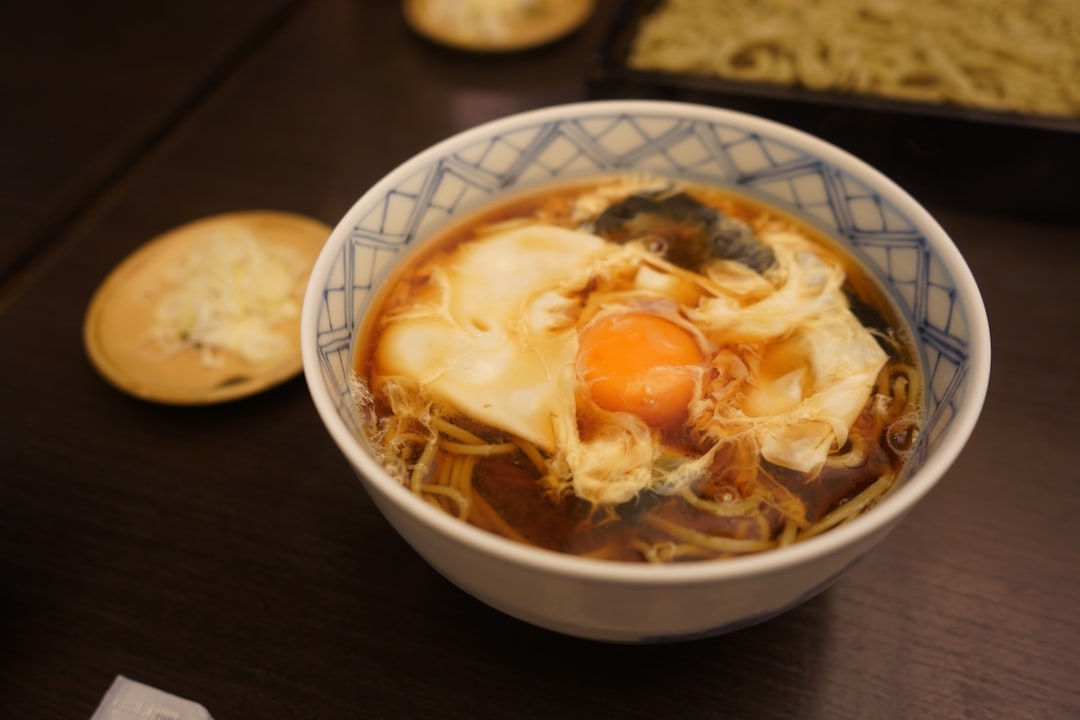
Onsen Tamago: Silky Hot-Spring Eggs Without a Hot Spring
Onsen Tamago, which translates to “hot spring eggs,” is a beloved Japanese dish that captures the essence of a delicate, silky egg custard, traditionally cooked in the warm waters of natural hot springs. What makes this dish truly special is its unique texture and the subtle flavor profile that it embodies, setting it apart from other egg dishes. However, the challenge lies in replicating the precise conditions of a hot spring in a home kitchen, which is why many attempts at making Onsen Tamago fall short.
The Philosophy Behind Onsen Tamago
The key to successfully creating Onsen Tamago without the actual hot spring is understanding the principle of low-temperature, long-duration cooking. This technique allows the eggs to cook slowly and gently, preventing the proteins from tightening up and resulting in a soft, custard-like texture. It’s not just about the temperature, but also about the control and patience that go into the cooking process.
To embark on this culinary journey, you’ll need a few basic ingredients: eggs, water, and optionally, some seasonings like soy sauce, sake, or mirin for added depth of flavor. The simplicity of the ingredients belies the complexity of the technique, which is what makes Onsen Tamago both challenging and rewarding to prepare.
The full recipe below covers exact weights, step-by-step technique, and the pro details that make the difference. Mastering Onsen Tamago is not just about following a recipe; it’s about grasping a philosophy of cooking that can elevate your entire culinary approach. So, what are the secrets to creating these silky, hot-spring eggs without a hot spring? The answer lies in the precise balance of temperature, timing, and technique.
Full Premium Recipe: Onsen Tamago for 4 Servings
To serve 4, you will need the following ingredients:
- 240g eggs
- 1000ml water
- 20g soy sauce (optional)
- 10g sake (optional)
- 10g mirin (optional)
Step-by-Step Instructions
1. Begin by preparing your seasonings. If using, mix the soy sauce, sake, and mirin in a small bowl. Set aside.
2. Fill a large pot with 1000ml of water and place it over medium heat until it reaches 60°C (140°F). This should take about 10-12 minutes. Monitor the temperature closely, as it’s crucial for the eggs to cook at a low, consistent heat.
3. While waiting for the water to reach the desired temperature, gently place 240g of eggs into a steamer basket or a heatproof container that can fit into the pot without touching the bottom.
4. Once the water has reached 60°C (140°F), reduce the heat to low to maintain this temperature. Carefully lower the steamer basket or container with the eggs into the pot, ensuring the eggs are not submerged in the water but are instead steamed by the warm vapors.
5. Cover the pot with a lid to trap the steam and heat. Cook the eggs for 45 minutes, maintaining the water temperature at 60°C (140°F). After 45 minutes, turn off the heat and let the eggs rest in the covered pot for an additional 10 minutes.
6. Remove the eggs from the pot and immediately transfer them to an ice bath to stop the cooking process. This step is crucial for preventing overcooking and achieving the desired silky texture.
7. Once the eggs have cooled, crack them gently and peel off the shells. Serve the Onsen Tamago warm, garnished with your prepared seasonings if desired.
Pro Tips
- Use the freshest eggs possible, as they will have a better texture and flavor.
- Monitor the water temperature closely, as any significant deviation can affect the final texture of the eggs.
- Do not overcook the eggs. The resting time after cooking is as important as the cooking time itself for achieving the perfect texture.
Common Mistakes to Avoid
One of the most common mistakes is cooking the eggs at too high a temperature, leading to a firm or overcooked texture. Another mistake is not letting the eggs rest long enough after cooking, which can prevent them from reaching their full, silky potential.
Storage and Reheating Notes
Onsen Tamago is best served immediately after preparation to appreciate its unique texture. However, if you must store it, keep the cooked and peeled eggs in an airtight container in the refrigerator for up to a day. To reheat, gently warm the eggs in hot water at 50°C (122°F) for a few minutes, taking care not to cook them further.







コメント