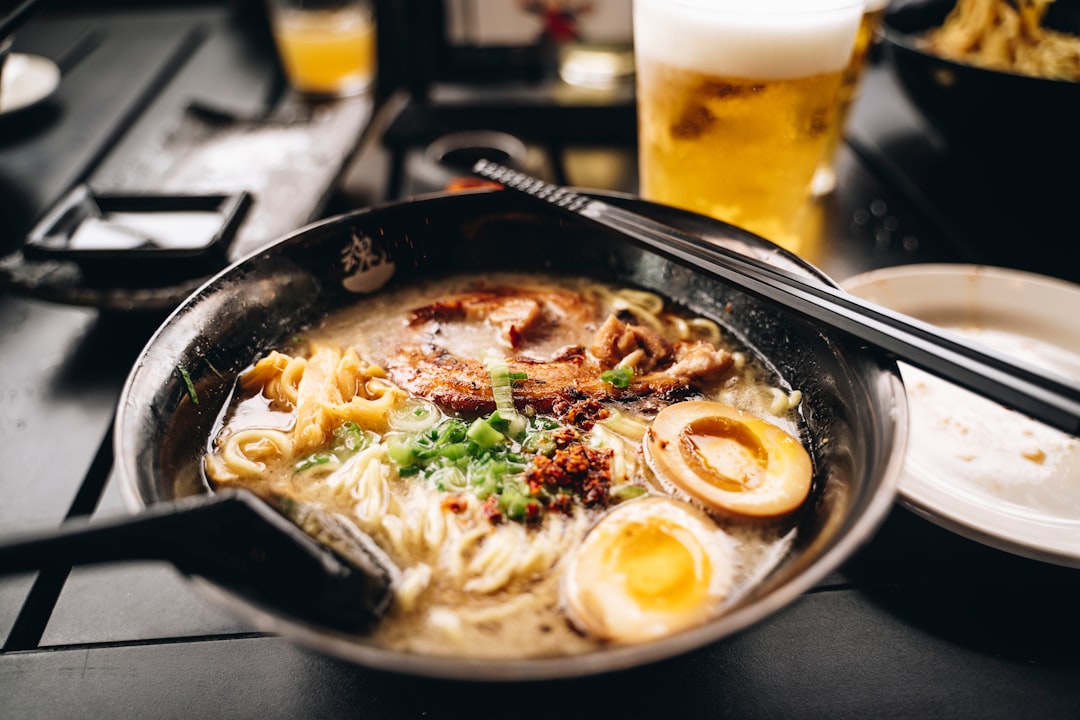
Sapporo Miso Ramen: Corn, Butter, and No Apologies
Sapporo miso ramen is a beloved dish from Hokkaido, known for its rich, savory broth and springy noodles. However, many attempts to recreate this dish outside of Japan fall short, often due to a lack of understanding of the key technique behind it: balance. This ramen is all about harmony between the deep, umami flavor of the miso paste and the sweetness of the corn, all tied together with a pat of golden butter.
The Philosophy Behind Sapporo Miso Ramen
The key to a great Sapporo miso ramen lies in its layering of flavors. It starts with a deep, rich pork or chicken broth, to which a mixture of miso paste, soy sauce, and other seasonings are added. The noodles, typically thicker and more yellow than those found in other ramen styles, provide a satisfying chew. But what truly sets this dish apart is the addition of corn and butter – a combination that may seem unusual to some, but is, in fact, a stroke of genius.
A brief overview of the ingredients needed for this dish includes pork or chicken bones for the broth, miso paste, soy sauce, sake, mirin, corn, butter, and ramen noodles. Other ingredients like green onions, bean sprouts, and sliced pork or boiled eggs can be added as toppings. The full recipe below covers exact weights, step-by-step technique, and the pro details that make the difference.
So, what makes this dish so special, and why do so many get it wrong? The answer lies in the balance of flavors and the quality of the ingredients. Many attempts to recreate Sapporo miso ramen result in a broth that is either too salty or too bland, with toppings that overwhelm rather than enhance the dish. The full recipe below covers exact weights, step-by-step technique, and the pro details that make the difference.
Complete Recipe: Sapporo Miso Ramen
Ingredients (serves 4)
- 500g pork bones
- 200g chicken bones
- 200g miso paste
- 100g soy sauce
- 50g sake
- 25g mirin
- 200g corn kernels
- 50g unsalted butter
- 400g ramen noodles
- Green onions, bean sprouts, sliced pork or boiled eggs for topping (optional)
Step-by-Step Instructions
Start by preheating your oven to 200°C (400°F). Place the pork and chicken bones on a baking sheet and roast for 30 minutes, or until they are nicely browned. Then, in a large pot, combine the roasted bones, 2 liters of water, and bring to a boil. Reduce the heat to 90°C (194°F) and simmer for at least 4 hours, or overnight.
While the broth is simmering, prepare the miso paste mixture. In a small saucepan, combine the miso paste, soy sauce, sake, and mirin. Whisk over low heat, 70°C (158°F), until the mixture is smooth and fragrant, about 10 minutes.
To assemble the ramen, cook the noodles according to the package instructions. Typically, this involves boiling them in water at 100°C (212°F) for 2-3 minutes, then rinsing them in cold water to stop the cooking process. Slice the green onions, bean sprouts, and cooked pork or boiled eggs for topping, if using.
Finally, to serve, place some noodles in a bowl, add slices of pork or boiled eggs, a sprinkle of green onions and bean sprouts, and a few kernels of corn. Ladle the hot broth over the top, followed by a spoonful of the miso paste mixture and a pat of butter. The butter should melt into the broth, combining with the miso to create a rich, creamy sauce.
Pro Tips
- Use high-quality miso paste for the best flavor.
- Don’t overcook the noodles – they should still have a bit of bite.
- Experiment with different toppings to find your favorite combination.
- For an added depth of flavor, add a few slices of ginger or garlic to the broth while it simmers.
- Consider using a combination of pork and chicken bones for a more complex broth.
- Not simmering the broth for long enough, resulting in a weak or bland flavor.
- Over-reducing the miso paste mixture, making it too thick and overpowering.
- Not using enough butter – this is a key component of the dish and should not be skimped on.
Storage and Reheating Notes
The broth can be made ahead of time and stored in the fridge for up to 3 days or frozen for up to 2 months. Reheat the broth gently over low heat, whisking in a little water if it has thickened too much. Cooked noodles can be stored in an airtight container in the fridge for up to a day, but are best served immediately. The miso paste mixture can be made ahead and stored in the fridge for up to a week.



コメント