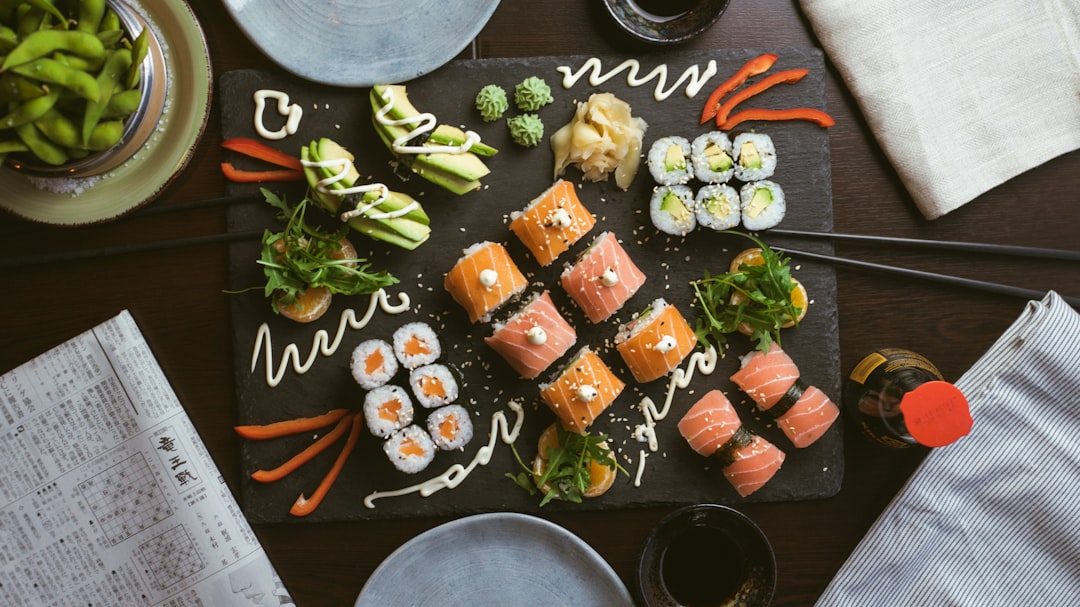
Salmon Teriyaki: Lacquered, Glossy, Better Than Takeout
Salmon teriyaki is a dish that’s often misunderstood and poorly executed, even in high-end restaurants. What’s supposed to be a harmonious balance of flavors and textures often ends up as a soggy, overly sweet mess. But when done right, it’s a game-changer. The key to a truly exceptional salmon teriyaki lies in the lacquering process, where a rich, glossy sauce is carefully applied to the fish, creating a deep, caramelized crust that’s both sweet and savory.
The Philosophy Behind the Dish
The philosophy behind this dish is rooted in the concept of “umami,” or the fifth taste, which is often overlooked in Western cuisine. Umami is all about depth and richness, and it’s achieved through the use of high-quality ingredients and careful technique. In the case of salmon teriyaki, it’s about balancing the natural sweetness of the fish with the savory, slightly bitter flavors of the teriyaki sauce.
A basic salmon teriyaki recipe typically includes ingredients like salmon fillets, teriyaki sauce, soy sauce, sake, mirin, sugar, and sesame oil. But it’s not just about throwing these ingredients together; it’s about understanding how they interact with each other and with the fish. The type of salmon used, the freshness of the ingredients, and the technique used to apply the sauce all play a critical role in the final product.
So, what makes this dish special? It’s the combination of flavors, textures, and presentation that comes together to create a truly unforgettable experience. And it’s precisely this combination that’s often missing from takeout and restaurant versions of the dish. The full recipe below covers exact weights, step-by-step technique, and the pro details that make the difference.
Complete Premium Recipe
Ingredients (serves 4)
- 600g salmon fillets (preferably sashimi-grade)
- 200g teriyaki sauce
- 50g soy sauce
- 25g sake
- 25g mirin
- 20g granulated sugar
- 15g sesame oil
Step-by-Step Instructions
Preheat your oven to 200°C (400°F). In a small saucepan, combine the teriyaki sauce, soy sauce, sake, mirin, and sugar. Bring the mixture to a boil over medium heat (around 90°C or 194°F), then reduce the heat to low and simmer for 5 minutes, or until the sauce has thickened and reduced slightly.
Meanwhile, prepare the salmon fillets by patting them dry with paper towels and seasoning with a pinch of salt. Place the fillets on a baking sheet lined with parchment paper, leaving about 2.5cm (1 inch) of space between each fillet.
Brush the salmon fillets with the sesame oil, making sure to coat them evenly. Then, using a pastry brush, apply a thin layer of the teriyaki sauce to each fillet, making sure to cover the entire surface. Place the baking sheet in the oven and bake for 12-15 minutes, or until the fish is cooked through and the sauce has caramelized and formed a deep, glossy crust.
Remove the salmon from the oven and let it rest for 2-3 minutes before serving. Serve immediately, garnished with sliced green onions and sesame seeds if desired.
Pro Tips
- Use high-quality ingredients, including sashimi-grade salmon and authentic Japanese teriyaki sauce.
- Don’t overcook the salmon; it should be cooked through but still moist and tender.
- Let the salmon rest for a few minutes before serving; this allows the juices to redistribute and the flavors to mature.
- Experiment with different types of salmon, such as king or sockeye, for varying flavor profiles.
- For an added layer of flavor, try adding a sprinkle of toasted sesame seeds or chopped green onions to the teriyaki sauce before applying it to the salmon.
Common Mistakes to Avoid
- Overcrowding the baking sheet, which can prevent the sauce from caramelizing properly.
- Using low-quality ingredients, such as farmed salmon or artificial teriyaki sauce.
- Not letting the salmon rest before serving, which can result in a dry, overcooked final product.
Storage and Reheating Notes
Cooked salmon teriyaki can be stored in the refrigerator for up to 24 hours. To reheat, simply place the salmon in a low-temperature oven (around 150°C or 300°F) for 5-7 minutes, or until warmed through. Alternatively, you can reheat the salmon in a pan on the stovetop over low heat, adding a splash of water or teriyaki sauce to prevent drying out.





コメント