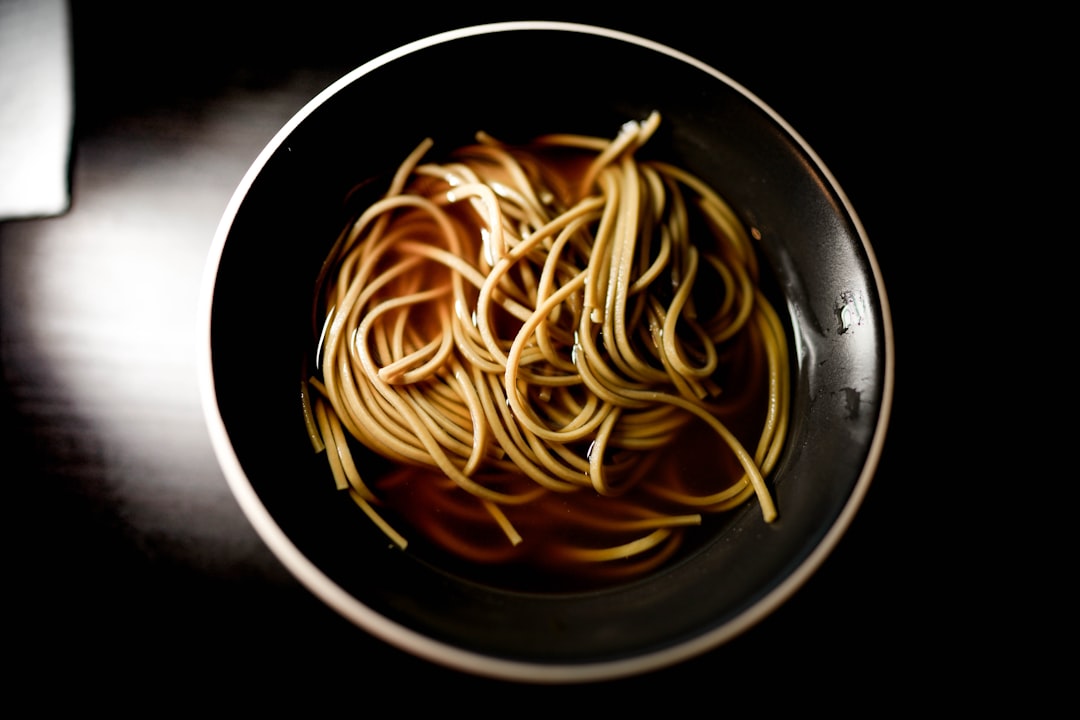
Chuka Soba: The Humble Bowl That Inspired Modern Ramen
Chuka Soba, a dish often overlooked in favor of its more popular cousin, Ramen, holds a special place in the history of Japanese cuisine. This unassuming bowl of noodles, originating from China and adapted by Japanese chefs, is the foundation upon which many modern Ramen styles are built. Despite its simplicity, Chuka Soba is deceptively difficult to master, with many restaurants and home cooks missing the mark due to a lack of understanding of its core principles.
The Philosophy Behind Chuka Soba
The key to a great Chuka Soba lies not in the complexity of its components, but in the balance and harmony achieved through the combination of a rich pork and chicken broth, springy noodles, and a variety of toppings. It’s a dish that embodies the concept of “wa” (harmony) in Japanese cuisine, where each element complements the others to create a unified whole. This balance is what makes Chuka Soba special and why it has inspired generations of chefs.
A basic Chuka Soba consists of a few fundamental ingredients: rich broth made from pork and chicken bones, Chuka Soba noodles, sliced pork (preferably belly or shoulder), green onions, and pickled ginger. The simplicity of these ingredients belies the depth of flavor and technique required to prepare them. The broth, for instance, is a masterclass in extraction and balance, requiring hours of simmering to achieve the perfect clarity and richness.
What makes Chuka Soba so compelling, yet so often misunderstood, is the delicate interplay between its components. The broth must be light enough to allow the flavors of the noodles and toppings to shine through, yet rich enough to provide depth and satisfaction. The noodles must have a perfect texture, neither too hard nor too soft, to provide a pleasing contrast to the softness of the pork and the crunch of the green onions. It’s a dish that requires patience, attention to detail, and a deep understanding of flavor balance. The full recipe below covers exact weights, step-by-step technique, and the pro details that make the difference.
Complete Chuka Soba Recipe
Ingredients (serves 4)
- 500g pork bones
- 250g chicken bones
- 200g Chuka Soba noodles
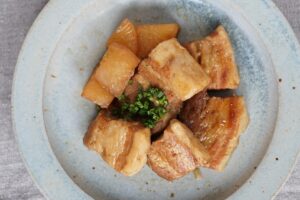
- 300g pork belly, sliced into thin strips
- 100g green onions, thinly sliced
- 50g pickled ginger, thinly sliced
- 2 liters water
- 20g soy sauce
- 10g sake
- 10g mirin
Step-by-Step Instructions
1. Preheat your oven to 200°C (400°F). Place the pork and chicken bones on a baking sheet and roast for 30 minutes, or until they are nicely browned, to enhance the flavor of the broth.
2. In a large pot, combine the roasted bones, 2 liters of water, and bring to a boil. Reduce the heat to 90°C (194°F) and simmer for 4 hours, skimming off any impurities that rise to the surface.
3. While the broth is simmering, cook the Chuka Soba noodles according to the package instructions. Typically, this involves boiling them in water for 2-3 minutes, then rinsing them in cold water to stop the cooking process.
4. In a separate pan, heat 10g of oil over medium heat (around 180°C or 356°F) and cook the sliced pork belly until it’s crispy and golden brown, about 5 minutes per side.
5. To assemble the Chuka Soba, place cooked noodles in a bowl, add slices of pork belly, green onions, and pickled ginger. Ladle the hot broth over the ingredients and serve immediately.
Pro Tips
- For a clearer broth, it’s essential to skim off the impurities regularly during the simmering process.
- The quality of the pork and chicken bones greatly affects the flavor of the broth. Look for bones from high-quality, pasture-raised animals for the best flavor.
- Don’t overcook the noodles. They should retain a bit of firmness in the center to provide texture contrast in the dish.
Common Mistakes to Avoid
- Not simmering the broth long enough, resulting in a lack of depth in the flavor.
- Overcooking the noodles, making them too soft and unappetizing.
- Not balancing the toppings. Too much of any one topping can overwhelm the dish and disrupt the harmony of flavors.
Storage and Reheating Notes
The broth can be made ahead of time and stored in the refrigerator for up to 3 days or frozen for up to 2 months. Reheat the broth gently over low heat before serving. Cooked noodles and pork belly can be stored in separate containers in the refrigerator for up to a day. Reheat the pork belly in a pan with a little oil before serving.

コメント