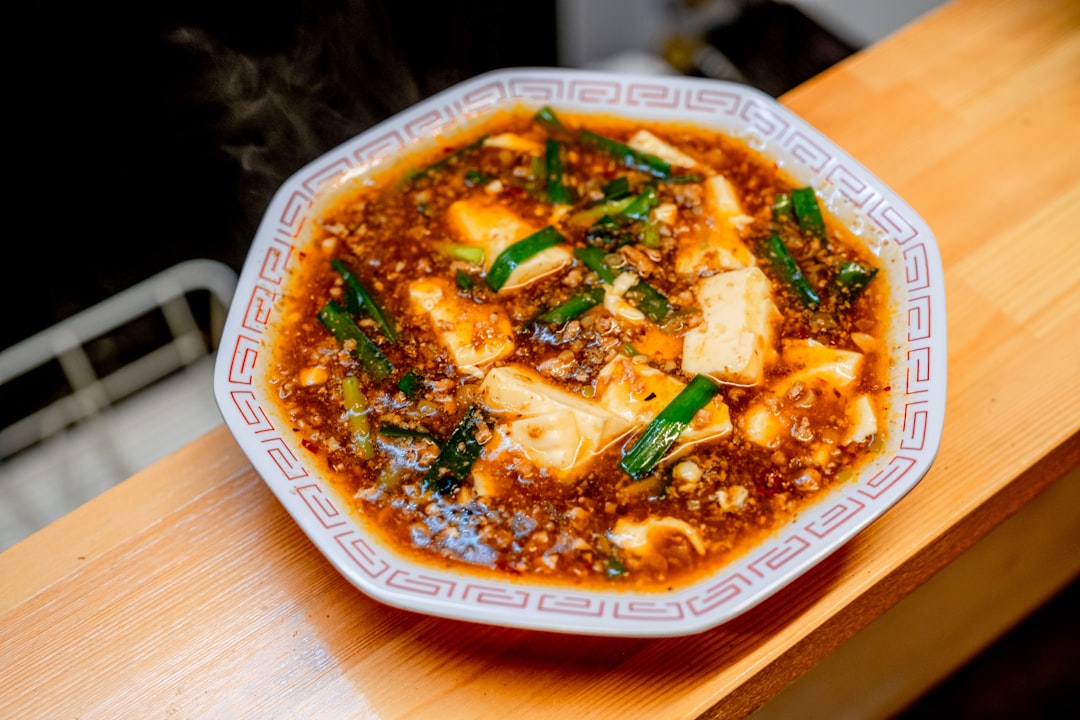
Japanese Mapo Tofu: Milder, Silkier, Still Addictive
Mapo tofu, a Sichuan classic, has been widely adopted and adapted in Japan, resulting in a unique version that is both milder and silkier than its Chinese counterpart. This Japanese interpretation is not just a watered-down version of the original; it’s a thoughtful reimagining that preserves the essence of the dish while catering to local tastes. The key to this Japanese mapo tofu lies in its balance of flavors and textures, creating a harmonious and addictive culinary experience.
The Philosophy Behind Japanese Mapo Tofu
The philosophy behind this dish is rooted in the concept of “umami” and the pursuit of depth without relying on intense heat or overwhelming spices. It’s about creating a rich, savory sauce that coats the palate, complemented by the silky smoothness of tofu and the slight crunch of ingredients like scallions and garlic. This balance is what makes Japanese mapo tofu special and what often gets lost in amateur recipes that either overcomplicate the dish or simplify it to the point of blandness.
A basic overview of the ingredients includes soft tofu, ground pork or beef, a variety of spices and seasonings such as Sichuan pepper, soy sauce, and sake, along with aromatics like garlic, ginger, and scallions. The choice of ingredients and their proportions are crucial, as they directly impact the final flavor and texture of the dish. However, simply listing ingredients is not enough; the technique and the order in which these components are combined and cooked are what elevate Japanese mapo tofu from a mere copycat dish to a true masterpiece.
The full recipe below covers exact weights, step-by-step technique, and the pro details that make the difference. It’s the culmination of years of experimentation and refinement, aimed at helping you replicate the authentic taste of Japanese mapo tofu in your own kitchen.
Complete Japanese Mapo Tofu Recipe
Ingredients (serves 4)
- 400g soft tofu, cut into small cubes
- 200g ground pork
- 20g grated ginger
- 20g minced garlic
- 15g Sichuan pepper, toasted and ground
- 30ml soy sauce
- 20ml sake
- 10ml mirin
- 10g cornstarch
- 2 scallions, thinly sliced
- Sesame oil for frying
Step-by-Step Instructions
1. In a small bowl, mix together soy sauce, sake, mirin, and cornstarch. Set aside.
2. Heat 10ml of sesame oil in a wok or large skillet over medium-high heat (200°C/392°F). Add the ground pork and cook, breaking it up with a spatula, until it is no longer pink, about 5 minutes.
3. Add the grated ginger and minced garlic to the wok and stir-fry until fragrant, about 1 minute.
4. Add the toasted and ground Sichuan pepper and stir-fry for another minute, ensuring the spices are well combined with the pork mixture.
5. Pour the soy sauce mixture into the wok and bring to a boil. Reduce the heat to medium-low (150°C/302°F) and simmer for 5 minutes, allowing the sauce to thicken.
6. Gently add the cubed tofu to the wok, trying not to break it up. Cook for about 5 minutes, or until the tofu is well coated with the sauce and heated through.
7. Taste and adjust the seasoning as necessary. Transfer the mapo tofu to a serving dish and garnish with thinly sliced scallions.
Pro Tips
- Use high-quality ingredients, especially the tofu and Sichuan pepper, as they significantly impact the final flavor and texture.
- Don’t overcook the tofu; it should retain its silky texture.
- Adjust the amount of Sichuan pepper to your taste, as it can be quite potent.
- For an extra rich sauce, add a tablespoon of doubanjiang (Sichuan chili bean paste) during the stir-frying process.
Common Mistakes to Avoid
- Overcrowding the wok, which can lead to a messy and unevenly cooked dish.
- Not toasting the Sichuan pepper, which reduces its aromatic and numbing effects.
- Using low-quality or old spices, which can result in a dull flavor.
Storage and Reheating Notes
Japanese mapo tofu can be stored in an airtight container in the refrigerator for up to 3 days. Reheat it gently over low heat, adding a bit of water if the sauce has thickened too much. Freeze for up to 2 months, but note that the texture of the tofu may change slightly upon reheating.



コメント