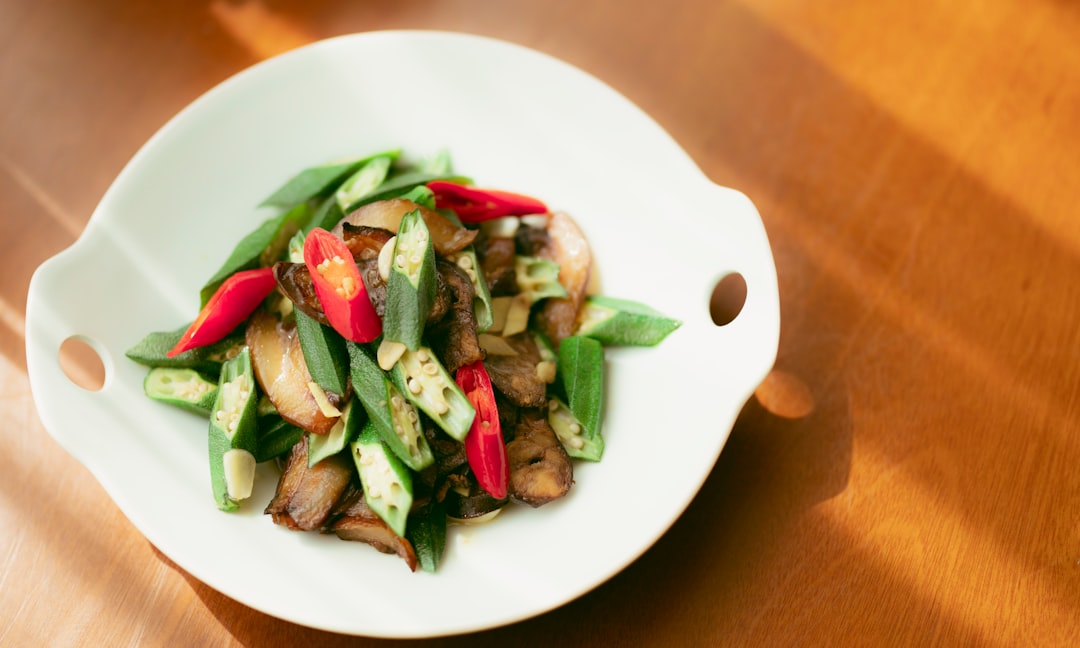
Ankake: The Glossy Japanese Sauce That Goes On Everything
Ankake, which translates to “sauce to pour over,” is a staple in Japanese cuisine that elevates dishes from mundane to sublime. What makes ankake special is its versatility and depth of flavor, capable of enhancing everything from noodles and tempura to grilled meats and stir-fries. However, its simplicity is also what leads many to underestimate the complexity of crafting the perfect ankake sauce.
The Philosophy Behind Ankake
The key to a superior ankake lies in achieving a delicate balance between its components, ensuring a sauce that is both rich and light, with a glossy appearance that hints at its depth of flavor. This balance is rooted in the philosophy of Japanese cuisine, which values harmony and simplicity. The technique involves reducing a mixture of dashi (a Japanese broth), soy sauce, and other seasonings to create a concentrated, syrupy sauce.
A basic ankake sauce includes ingredients such as dashi broth, soy sauce, mirin (a sweet Japanese cooking wine), and sake. The quality and proportion of these ingredients, along with the technique of reduction, are crucial. While many attempt to recreate ankake with shortcuts or by omitting key components, the result is often a sauce that lacks depth and richness.
The full recipe below covers exact weights, step-by-step technique, and the pro details that make the difference. Mastering ankake opens up a world of culinary possibilities, allowing you to elevate any dish with a sauce that is quintessentially Japanese. But, what sets a truly exceptional ankake apart from a mediocre one? The answer lies in the details, and it’s time to dive deeper into the world of ankake.
Full Premium Recipe: Ankake for Four
Ingredients:
- 400g dashi broth (preferably homemade or high-quality store-bought)
- 120g soy sauce
- 80g mirin
- 50g sake
- 20g granulated sugar
Step-by-Step Instructions:
1. In a medium saucepan, combine dashi broth, soy sauce, mirin, sake, and sugar. Whisk gently to dissolve the sugar.
2. Place the saucepan over medium heat (approximately 180°C or 356°F) and bring the mixture to a simmer.
3. Reduce the heat to low (about 150°C or 302°F) and let the sauce simmer for 20-25 minutes, or until it has reduced by half and reached a syrupy consistency. You will notice the sauce starting to thicken and turn glossy.
4. Remove the saucepan from the heat and let the ankake sauce cool slightly. Strain it through a fine-mesh sieve into a clean bowl to remove any impurities.
Pro Tips:
- Use high-quality dashi broth as the base for the best flavor. Homemade dashi made with kombu and katsuobushi provides a depth that store-bought versions often lack.
- Monitor the temperature and the sauce’s consistency closely during the reduction process. Ankake should be thick enough to coat the back of a spoon but still pour easily.
- For an enhanced flavor, add a small piece of kombu (dried kelp) to the saucepan during the reduction process. Remove it before straining the sauce.
Avoid over-reducing the sauce, as it can become too thick and lose its glossy appearance. Also, refrain from using low-quality or overly salty soy sauce, as it can unbalance the flavor profile of the ankake.
Storage and Reheating Notes:
Ankake sauce can be stored in an airtight container in the refrigerator for up to a week. Reheat it gently over low heat before using. For longer storage, consider freezing the sauce in ice cube trays and thawing as needed. This method preserves the flavor and texture of the ankake.


コメント