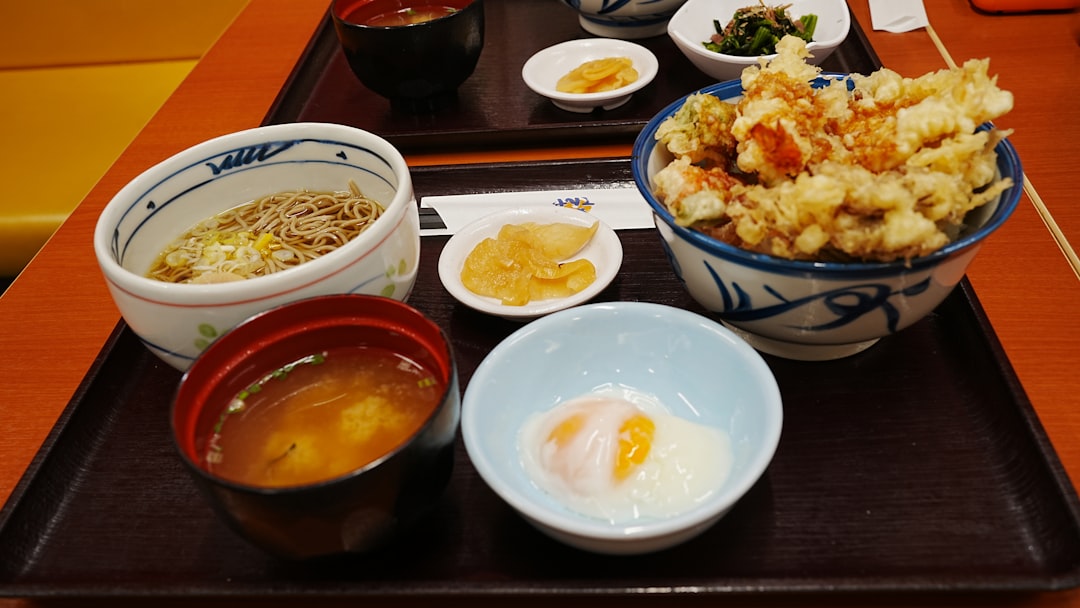
Tempura Batter: Cold Water, Lumpy, Never Over-Mix
Tempura, a dish that exudes elegance and simplicity, yet deceives with its complexity. What appears to be a straightforward process of dipping ingredients in a light batter and frying, is in fact, a nuanced art form that requires precision and finesse. The secret to a perfect tempura lies in its batter, and more specifically, the technique and philosophy behind its preparation.
The Philosophy of Tempura Batter
The key to a successful tempura batter is understanding the importance of temperature, texture, and restraint. Cold water, a lumpy consistency, and a commitment to never over-mixing are the cornerstones of this delicate process. These principles may seem counterintuitive, especially in a culinary world where smoothness and uniformity are often prized. However, it is precisely this unconventional approach that yields a batter that is both ethereal and robust, capable of enveloping the most delicate ingredients without overpowering them.
A basic tempura batter consists of all-purpose flour, ice-cold water, and sometimes, additional ingredients such as egg or starch to enhance texture and stability. The simplicity of these ingredients belies the complexity of the technique, a balance that must be meticulously maintained to achieve the perfect crisp exterior and tender interior that defines great tempura.
What makes tempura so notoriously difficult to master is the ease with which this balance can be upset. Over-mixing, incorrect water temperature, and improper frying techniques can all lead to a disappointing final product. It’s here that most attempts at making tempura go awry, resulting in a dense, greasy, or soggy mess that bears little resemblance to the light, airy delicacy it’s meant to be. The full recipe below covers exact weights, step-by-step technique, and the pro details that make the difference.
Complete Premium Tempura Batter Recipe
Ingredients (serves 4)
- 250g all-purpose flour
- 350ml ice-cold water
- 1 large egg, lightly beaten (optional)
- 20g cornstarch (optional)
- Vegetable oil for frying
Step-by-Step Instructions
1. In a large bowl, sift the flour to remove any lumps and aerate it. This step is crucial for ensuring the flour incorporates evenly with the water.
2. Gradually add the ice-cold water to the flour while gently stirring with a fork. The mixture should still be slightly lumpy. If using an egg or cornstarch, add them now and stir briefly to combine.
3. Stop mixing as soon as the ingredients are combined. The batter should still be cold and have a few lumps. This is the point where restraint is key; over-mixing will lead to a dense, chewy tempura.
4. Allow the batter to rest in the refrigerator for at least 30 minutes to allow the flour to absorb the water fully.
5. Prepare your ingredients for frying (e.g., shrimp, vegetables) by patting them dry with paper towels to remove excess moisture.
6. Heat the vegetable oil in a deep frying pan to 180°C (356°F). The oil should be deep enough to fully submerge the ingredients.
7. Dip each ingredient into the cold batter, coating it lightly and evenly. Gently place the coated ingredient into the hot oil. Fry for 2-3 minutes on each side, or until the tempura is golden brown and crispy.
8. Remove the tempura from the oil with a slotted spoon and drain on paper towels. Serve immediately.
Pro Tips
- Use the right flour: All-purpose flour is a good starting point, but for an even lighter batter, consider using a combination of all-purpose and cake flour.
- Maintain the oil temperature: This is crucial for achieving the right texture. If the oil is too hot, the outside will burn before the inside is cooked. If it’s too cold, the tempura will absorb too much oil.
- Don’t overcrowd: Fry in batches if necessary, to ensure that each piece of tempura has enough room to cook evenly without touching other pieces.
Common Mistakes to Avoid
- Over-mixing the batter, which leads to a dense, greasy tempura.
- Not using ice-cold water, which affects the texture and stability of the batter.
- Frying at the wrong temperature, which can result in undercooked or burnt tempura.
Storage and Reheating Notes
Tempura is best served immediately, as it loses its crispiness quickly. However, if you must store it, place it in an airtight container in the refrigerator for up to a day. To reheat, place the tempura in a single layer on a baking sheet and bake in a preheated oven at 200°C (392°F) for about 5 minutes, or until crispy and warmed through.









コメント