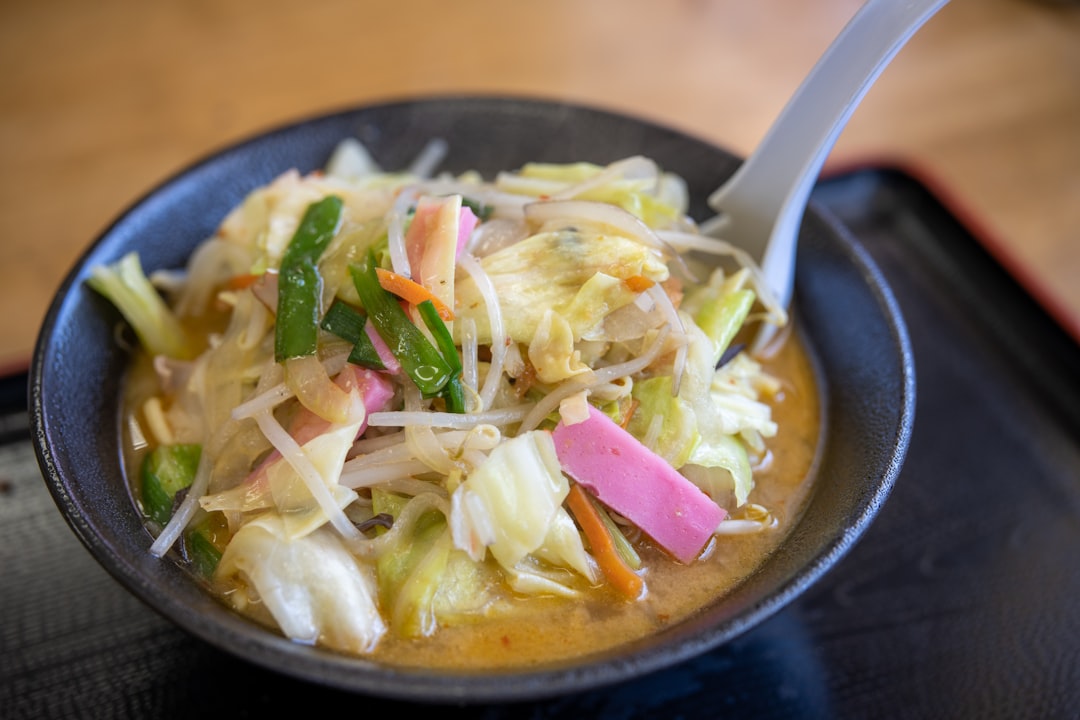
Tsukemen: The Dipping Ramen That Changes Everything
Tsukemen, a style of ramen where the noodles are served separately from the broth, is often misunderstood and underappreciated. Many attempt to make it at home but end up with a lackluster experience. What makes tsukemen truly special is the harmony between the rich, savory broth and the perfectly cooked noodles, designed to be dipped and enjoyed in a specific way. The key to unlocking this dish lies in understanding the importance of balance and technique.
The Philosophy Behind Tsukemen
The philosophy behind tsukemen is rooted in the concept of enhancing flavors through contrast. By separating the noodles from the broth, each component can be perfected individually, allowing for a depth of flavor and texture that is unparalleled in traditional ramen. This technique requires precision and patience, making it both a challenge and a rewarding experience for those who master it.
To begin, one must consider the basic ingredients involved: rich pork or chicken broth, fresh noodles made from wheat flour, water, and salt, slices of pork (such as pork loin or belly), boiled eggs, green onions, and pickled ginger. The quality and preparation of each component are crucial, as they all contribute to the overall experience of the dish.
What sets exceptional tsukemen apart from mediocre attempts is the attention to detail and the understanding of how each element interacts with the others. The full recipe below covers exact weights, step-by-step technique, and the pro details that make the difference.
Complete Tsukemen Recipe
Ingredients (Serves 4)
- 500g wheat flour
- 20g salt
- 350ml water
- 1kg pork bones
- 500g chicken bones
- 2 liters water
- 200g pork loin, sliced
- 4 eggs
- 100g green onions, thinly sliced
- 50g pickled ginger, sliced
Step-by-Step Instructions
1. Start by making the noodles: In a large mixing bowl, combine 500g of wheat flour and 20g of salt. Gradually add 350ml of water while mixing with a wooden spoon until a dough forms. Knead the dough for 10 minutes at room temperature (around 20°C/68°F) until it becomes smooth and elastic. Rest the dough for 30 minutes.
2. Divide the dough into 4 equal pieces and roll out each piece into a long, thin sheet using a pasta machine or a rolling pin. Cut the sheets into noodle shapes, approximately 1mm thick and 1cm wide. Cook the noodles in boiling water (100°C/212°F) for 2-3 minutes or until they float to the surface. Drain and rinse with cold water to stop cooking.
3. Prepare the broth: Preheat the oven to 200°C (392°F). Place 1kg of pork bones and 500g of chicken bones on a baking sheet and roast for 30 minutes, or until they are nicely browned. Then, in a large pot, combine the roasted bones, 2 liters of water, and bring to a boil. Reduce the heat to 80°C (176°F) and simmer for 4 hours, skimming off any impurities that rise to the surface. Strain the broth through a fine-mesh sieve into a clean pot and discard the solids.
4. Prepare the toppings: Slice 200g of pork loin into thin strips and cook in a pan with a little oil over medium heat (around 160°C/320°F) until cooked through. Boil 4 eggs for 6 minutes, then cool them down in an ice bath. Slice the green onions and pickled ginger.
Pro Tips
- Use high-quality bones for the broth, as they will greatly impact the flavor and richness of the tsukemen.
- Adjust the thickness of the noodles based on personal preference, but remember that tsukemen noodles are typically thicker and chewier than regular ramen noodles.
- Experiment with different toppings to find your favorite combinations, but remember that simplicity can be key to allowing each component to shine.
Common Mistakes to Avoid
- Overcooking the noodles, which can make them mushy and unappetizing.
- Not skimming the broth regularly, which can result in a cloudy, greasy broth.
- Not balancing the flavors, leading to a dish that is either too salty or too bland.
Storage and Reheating Notes
The noodles can be made ahead of time and stored in an airtight container in the refrigerator for up to 2 days. The broth can also be made in advance and refrigerated for up to 3 days or frozen for up to 2 months. Reheat the broth gently over low heat (around 60°C/140°F) before serving. Tsukemen is best enjoyed immediately, but leftovers can be stored in the refrigerator for up to a day and reheated as needed.

コメント