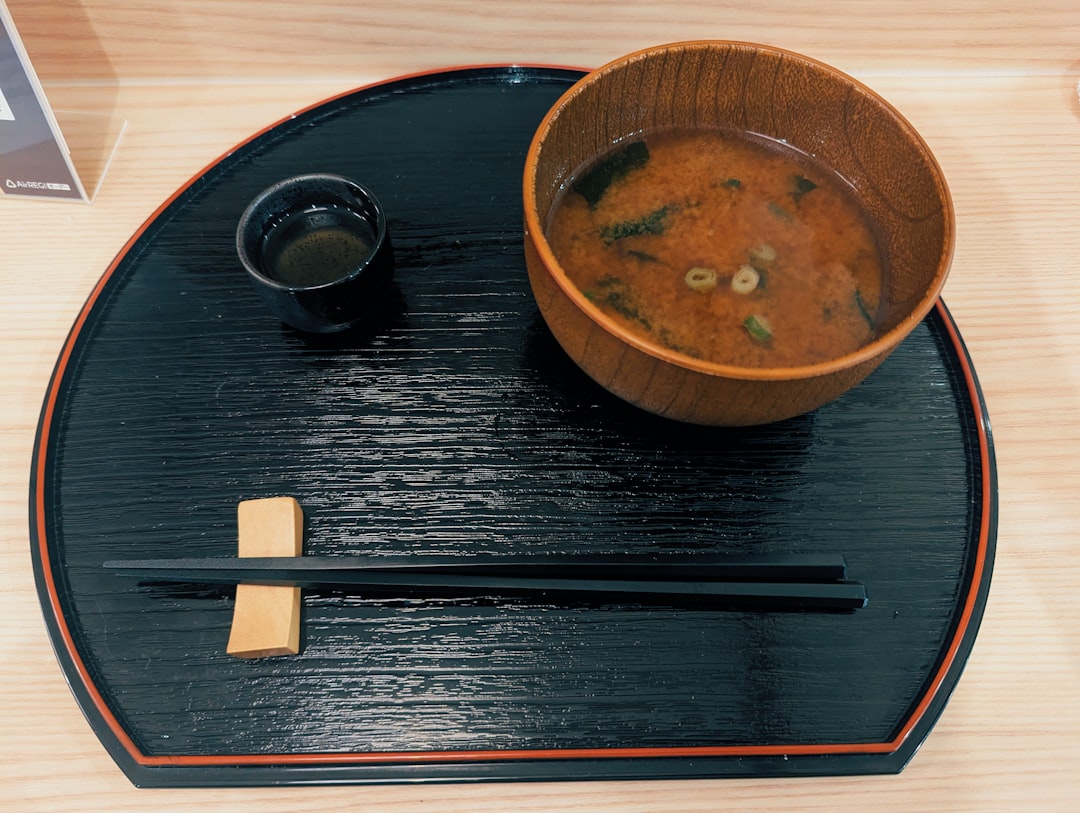
Everyone makes miso soup wrong. Not because they can’t follow a recipe — but because they start with the wrong thing.
The packet dashi. The instant stuff. It’s not bad, but it’s also not miso soup. Real miso soup starts with dashi — a stock made from kombu seaweed and dried bonito flakes. It takes 20 minutes and changes everything.
Why Dashi Is Not Optional
Dashi is the foundation of Japanese cuisine the same way chicken stock is the foundation of French cooking. Without it, miso soup tastes flat and salty. With it, you get that deep, savory umami backbone that makes you want to drink the bowl.
There are two types of dashi you need to know:
- Kombu dashi — cold-steeped kelp. Subtle, clean, slightly sweet. Used for delicate tofu soups.
- Awase dashi — kombu + katsuobushi (dried bonito). The classic. Rich, smoky, depth-of-flavor.
Ingredients (serves 4)
For awase dashi:
- 10g dried kombu (about a 10cm square piece)
- 15g katsuobushi (dried bonito flakes) — one small packet
- 800ml cold water
For the soup:
- 2 tablespoons white or mixed miso paste
- 150g silken tofu, cut into 2cm cubes
- 1 tablespoon dried wakame seaweed (rehydrates to 5x the size)
- 2 spring onions, finely sliced
Method
Step 1: Cold steep the kombu (overnight or 30 min)
Place kombu in cold water. For best results, let it steep in the fridge overnight. If you’re in a hurry, 30 minutes at room temperature works. The kombu releases glutamates (the compound behind umami) into the water. Remove kombu before heating — boiling it makes the broth slimy and bitter.
Step 2: Heat and add bonito
Heat kombu water to 60–65°C (just below a simmer — you’ll see tiny bubbles forming but no rolling boil). Add katsuobushi and let steep for 3 minutes. Don’t boil. Don’t stir. Just wait.
Step 3: Strain
Pour through a fine mesh strainer or cheesecloth into a clean pot. Don’t squeeze the bonito or the stock turns bitter. What you have now is awase dashi — the real thing.
Step 4: Add tofu and wakame
Bring dashi to a gentle simmer. Add wakame (it will expand dramatically — don’t add too much). Add tofu cubes. Simmer 1 minute.
Step 5: Dissolve miso
The critical step. Never boil miso — the heat kills the beneficial bacteria and flattens the flavor. Turn heat to low. Place miso in a small ladle or strainer over the pot. Add a few spoonfuls of hot dashi to the ladle and stir until miso dissolves. Let it drip into the soup. Stir gently.
Step 6: Serve immediately
Miso soup waits for no one. Garnish with spring onion and serve right away. The tofu is delicate, the miso degrades with heat, and the experience is best in the first 3 minutes.
The Miso Itself Matters
Use white (shiro) miso for a sweeter, lighter soup. Use red (aka) miso for something bolder and more fermented. The best miso soup uses a blend — most Japanese households have both.
Find your local Asian grocery. The miso in a Western supermarket is usually fine but the selection at a Japanese or Korean store will be 10x better.





コメント