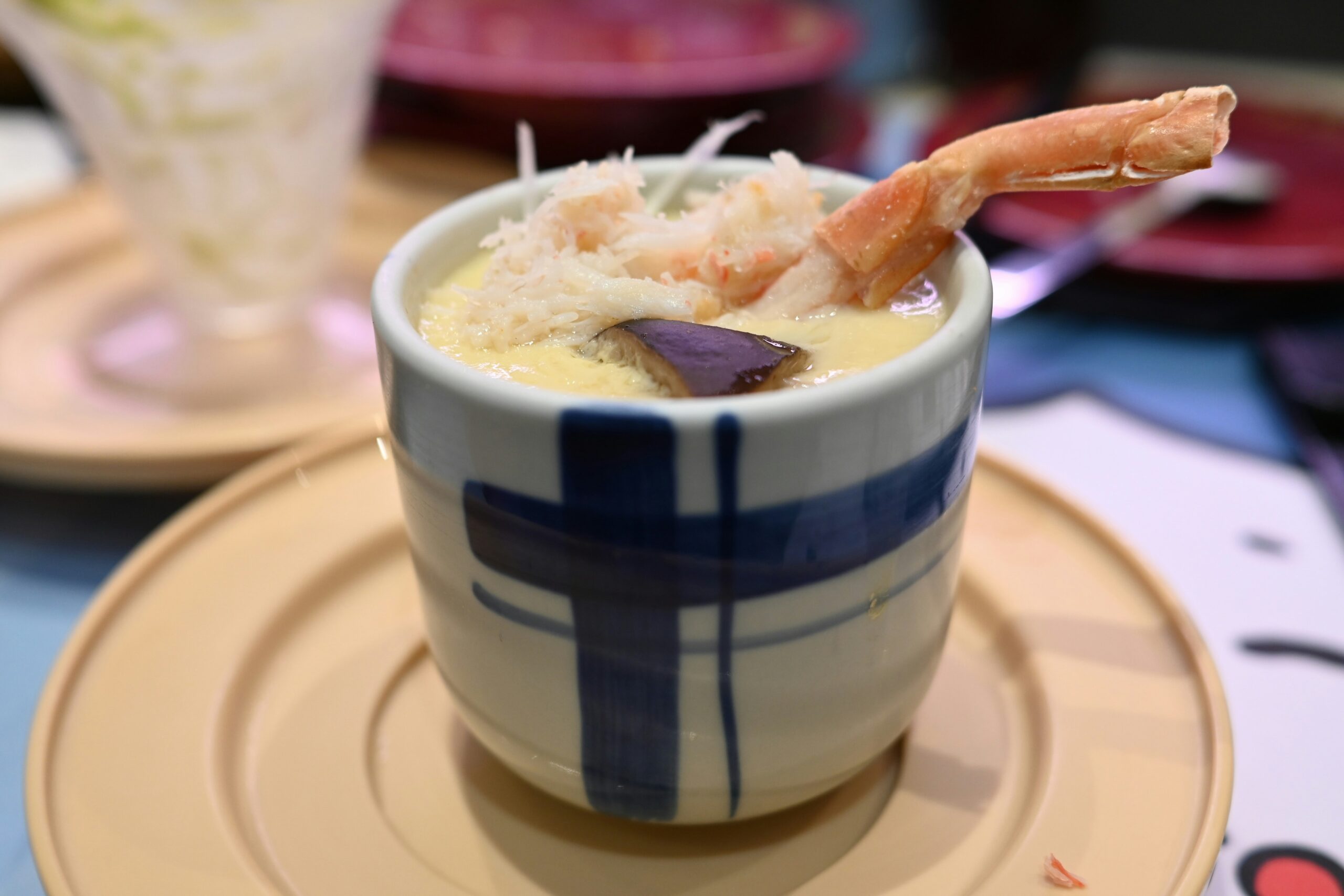
There is a specific kind of magic found in the quietest corners of Japanese cuisine. While many people associate Japanese food with the bold, colorful geometry of sushi or the fiery kick of ramen, there is another side to the culinary landscape that is all about subtlety, texture, and the pursuit of \”umami.\” This is the world of Chawanmushi.
Chawanmushi is a savory egg custard that is steamed until it reaches a consistency so silky it practically melts on your tongue. It is not a dish of bravado; it is a dish of precision. In a traditional Kaiseki (multi-course) meal, Chawanmushi often serves as a moment of pause—a gentle, warm transition that prepares the palate for what is to come. It is comfort food elevated to an art form, a dish that relies on the harmony between delicate dashi broth and the natural richness of eggs.
Mastering Chawanmushi is often considered a rite of passage for home cooks. It can be intimidating because it is sensitive to temperature and technique. However, once you understand the relationship between the ratio of liquid to egg and the gentle nature of steam, you unlock a culinary superpower. It is a dish that teaches you patience, respect for ingredients, and the beauty of simplicity.
INGREDIENTS
Yields: 3-4 individual servings
For the Custard Base:
– 3 large eggs (preferably room temperature)
– 450ml Dashi stock (high-quality kombu and bonito dashi is essential)
– 1.5 tsp light soy sauce (Usukuchi soy sauce is best for maintaining a pale color)
– 1/2 tsp Mirin
– A pinch of sea salt
For the Fillings (Adjust to your preference):
– 4-5 small shrimp (peeled and deveined)
– 1 piece of kamaboko (Japanese fish cake), sliced
– 1 small Shiitake mushroom, thinly sliced
– 1 tsp Ginko nuts (optional)
– 1 small piece of chicken thigh, cut into bite-sized pieces (optional)
– A few sprigs of Mitsuba (Japanese wild parsley) or microgreens for garnish
STEP-BY-STEP INSTRUCTIONS
1. Prepare the Fillings: If you are using chicken, lightly poach it in your dashi beforehand or sauté it briefly to ensure it is fully cooked. Prepare your shrimp, mushrooms, and fish cake. Place these ingredients into the bottom of your Chawanmushi cups (small ceramic bowls).
2. Whisk the Eggs: In a medium mixing bowl, crack the eggs. Using chopsticks or a fork, whisk them very gently. The goal is to combine the yolks and whites without incorporating air bubbles. Do not whip them; you want a liquid, not a foam.
3. Combine with Dashi: Slowly pour the dashi, soy sauce, mirin, and salt into the egg mixture. Stir very gently with a spoon to integrate the flavors.
4. The Crucial Strain: This is the secret to the texture. Pour the egg and dashi mixture through a fine-mesh sieve into a clean bowl. Do this twice if necessary. This removes any undissolved egg strands or air bubbles, ensuring a perfectly smooth custard.
5. Fill the Cups: Pour the strained liquid into your prepared ceramic cups, being careful not to submerge the fillings entirely. You want the beautiful colors of the shrimp and mushrooms to peek through the surface.
6. Remove Surface Bubbles: If you see any tiny bubbles floating on the surface of the liquid, use a paper towel to gently dab them away or pop them with a toothpick. This ensures a glass-like finish.
7. The Steaming Process: Cover each cup tightly with aluminum foil or a lid. This prevents water droplets from the steamer lid from falling into the custard and creating \”craters.\” Place the cups in a steamer basket over simmering water.
8. Temperature Control: Turn the heat down to low. Chawanmushi should not be cooked by boiling steam, but by gentle, steady heat. Steam for about 12–15 minutes.
9. The Doneness Test: Gently shake a cup. The center should have a slight, jelly-like jiggle, but should not look liquid. If it wobbles too much, steam for another 2 minutes.
10. Garnish and Serve: Remove carefully and top with fresh Mitsuba or microgreens while still warm. Serve immediately.
PRO TIPS AND COMMON MISTAKES
The Golden Ratio: The most common mistake is using too many eggs and too little dashi. A standard ratio is 1 part egg to 3 or 4 parts liquid. If you use too much egg, the custard will be dense and rubbery like a western omelet. If you use too little, it will be watery.
Watch the Heat: If your steam is too aggressive (boiling), the eggs will expand too quickly, creating large holes and a \”honeycomb\” texture. This is the cardinal sin of Chawanmushi. Keep the heat on low to medium-low.
The Sieve is Non-Negotiable: Never skip the straining step. You can have the best ingredients in the world, but without straining, you will never achieve that professional, silky texture.
SERVING SUGGESTIONS AND VARIATIONS
For a luxurious weekend treat, try a \”Seafood Medley\” version using scallops, crab meat, and even a tiny piece of truffle oil on top. For a vegetarian version, omit the shrimp and meat, and instead use more varieties of mushrooms (Shimeji, Enoki, Shiitake) and perhaps a little silken tofu at the bottom of the cup.
If you are serving this as part of a larger meal, Chawanmushi pairs beautifully with light rice dishes or grilled fish (Yakizakana). Because it is so delicate, avoid serving it alongside dishes with overwhelming spice or heavy garlic, which will mask the subtle umami of the dashi.

コメント