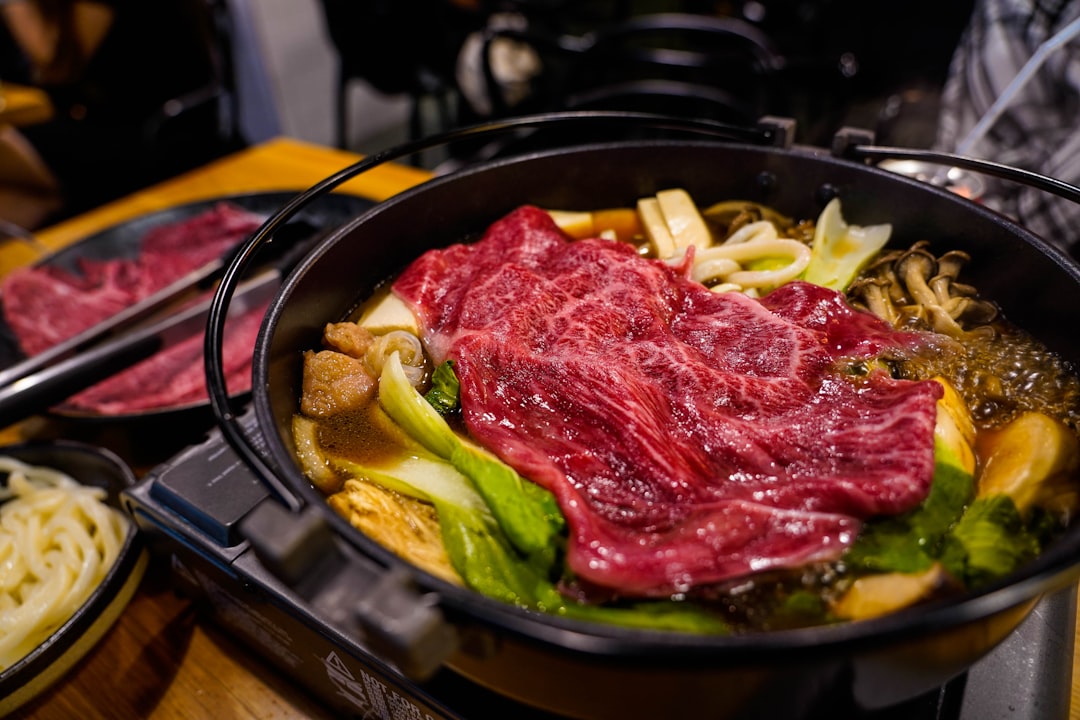
Wagyu at Home: Grades, Cuts, and Why Less Is More
Wagyu beef is renowned for its exceptional marbling, tenderness, and rich flavor profile. However, many home cooks and even professional chefs fail to prepare it to its full potential. The most common mistake is overcomplicating the preparation, which can lead to a loss of the beef’s natural, inherent qualities. What makes Wagyu truly special is its ability to shine with minimal intervention, allowing the natural flavors and textures to take center stage.
The Philosophy Behind Simple Preparation
The key to cooking Wagyu at home lies in understanding and embracing the “less is more” philosophy. This approach emphasizes the importance of high-quality ingredients, precise technique, and restraint in adding extraneous flavors or textures. By focusing on the beef itself and using a few, well-chosen accompaniments, you can create a dish that is both elegant and deeply satisfying.
At the heart of this recipe are a few fundamental ingredients: Wagyu beef (specifically, a high-grade ribeye or striploin), salt, black pepper, a small amount of oil for cooking, and a squeeze of fresh citrus for serving. The quality of these ingredients, particularly the Wagyu beef, is paramount. Look for beef that is graded A5 or similar, as this ensures the highest level of marbling and tenderness.
The full recipe below covers exact weights, step-by-step technique, and the pro details that make the difference. With this guidance, you’ll be able to unlock the full potential of Wagyu beef in the comfort of your own home, avoiding the pitfalls that often lead to a less-than-stellar dining experience.
Wagyu at Home: The Full Premium Recipe
Ingredients (serves 4)
- 500g Wagyu ribeye or striploin, graded A5 or equivalent
- 15g flaky sea salt
- 5g freshly ground black pepper
- 30ml high-quality vegetable oil (such as avocado or grapeseed oil)
- 20ml freshly squeezed citrus juice (such as yuzu or lemon)
Step-by-Step Instructions
1. Preheat your oven to 200°C (400°F). While the oven is heating, remove the Wagyu beef from the refrigerator and let it sit at room temperature for 30 minutes to 1 hour to ensure even cooking.
2. Pat the beef dry with paper towels to remove any excess moisture. Season both sides of the beef with 10g of flaky sea salt and 3g of freshly ground black pepper, making sure to coat the meat evenly.
3. Heat 15ml of vegetable oil in a skillet over high heat (approximately 220°C or 425°F) until it just starts to smoke. Sear the beef for 2 minutes on each side, or until a nice crust forms. The beef should be seared to a deep brown color but not fully cooked through.
4. Transfer the skillet to the preheated oven and cook for an additional 8-12 minutes, or until the internal temperature reaches 50°C (122°F) for medium-rare. Use a meat thermometer to ensure the correct internal temperature.
5. Remove the beef from the oven and let it rest for 10 minutes before slicing it thinly against the grain. Drizzle with the remaining 15ml of oil and 20ml of citrus juice just before serving.
Pro Tips
- Always use a cast-iron or carbon steel skillet for searing, as these retain heat well and can achieve a high temperature.
- Don’t overcrowd the skillet; cook the beef one piece at a time if necessary, to ensure even searing.
- Let the beef rest for the full 10 minutes to allow the juices to redistribute, making the meat more tender and flavorful.
Common Mistakes to Avoid
- Overseasoning: Wagyu beef is best seasoned lightly to allow its natural flavors to shine through.
- Overcooking: Cook the beef to the correct internal temperature to avoid toughness and a loss of flavor.
- Rushing the resting time: Allowing the beef to rest is crucial for its tenderness and juiciness.
Storage and Reheating Notes
Wagyu beef is best consumed fresh, but if you must store it, keep it in an airtight container in the refrigerator at a temperature below 4°C (39°F). When reheating, use a low temperature (around 60°C or 140°F) to prevent cooking the beef further. Reheat the beef in a covered dish with a small amount of liquid (such as broth or wine) to maintain moisture.







コメント