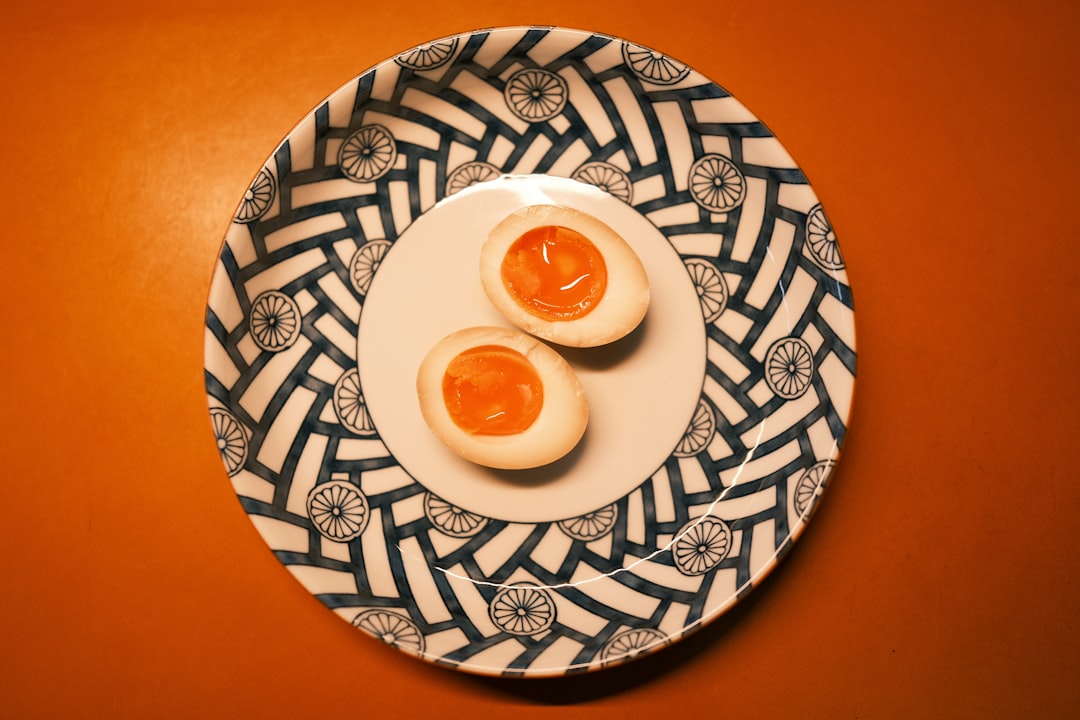
Ramen Eggs (Ajitsuke Tamago): Jammy, Marinated, Perfect
Ramen eggs, or Ajitsuke Tamago, are a staple in Japanese ramen shops, but often, their preparation is misunderstood. What makes these eggs truly special is not just the marinade, but the precise technique used to achieve a perfectly jammy yolk and a set white, all while infusing deep, savory flavors. This delicate balance is what elevates a bowl of ramen from good to extraordinary.
The Philosophy Behind Ajitsuke Tamago
The key to making exceptional ramen eggs lies in understanding the importance of temperature control, timing, and the balance of flavors in the marinade. It’s about creating an egg that is both a delight to bite into and a harmonious component of the overall dish. The process involves a specific method of boiling and then marinating the eggs in a sweet and savory sauce, which enhances their natural taste without overpowering it.
A basic list of ingredients for making ramen eggs includes eggs, soy sauce, sake, mirin, sugar, and water for the marinade, along with optional ingredients like garlic, ginger, and star anise for added depth. The simplicity of these ingredients belies the complexity of flavors and textures that can be achieved with the right technique.
While many attempt to make ramen eggs at home, the results often fall short of the perfect, jammy centers and intensely flavored exteriors found in professional ramen shops. The full recipe below covers exact weights, step-by-step technique, and the pro details that make the difference.
Full Premium Recipe: Ramen Eggs (Ajitsuke Tamago)
Ingredients (serves 4)
- 4 large eggs
- 250ml water
- 125ml soy sauce
- 60ml sake
- 40ml mirin
- 20g granulated sugar
- 5g grated ginger
- 2 cloves of garlic, minced
- 1 star anise (optional)
Step-by-Step Instructions
1. Prepare the Marinade: In a saucepan, combine water, soy sauce, sake, mirin, sugar, grated ginger, garlic, and star anise (if using). Heat the mixture over medium heat (around 70°C or 158°F), stirring occasionally, until the sugar has dissolved and the mixture starts to simmer.
2. Boil the Eggs: Place the eggs in a separate pot and cover them with cold water. Bring the water to a boil (100°C or 212°F), then reduce the heat to a simmer (around 90°C or 194°F) and let the eggs cook for exactly 6 minutes and 10 seconds for large eggs to achieve a jammy yolk.
3. Shock and Peel the Eggs: After cooking, immediately transfer the eggs to an ice bath to stop the cooking process. Once cooled, gently crack and peel the eggs.
4. Marinate the Eggs: Once the marinade has cooled to room temperature, add the peeled eggs. Cover the container with plastic wrap or a lid and refrigerate for at least 4 hours or overnight (8-12 hours) for the best flavor penetration.
Pro Tips
- Temperature Control: The initial boil and subsequent ice bath are crucial for achieving the perfect texture.
- Marinade Balance: Adjust the marinade ingredients based on personal taste, but maintain a balance between sweet, savory, and umami flavors.
- Patience: Allowing the eggs to marinate for an adequate amount of time is key to deep, rich flavors.
Common Mistakes to Avoid
- Overcooking the eggs, which results in a fully set yolk.
- Not cooling the marinade before adding the eggs, which can continue to cook the eggs.
- Insufficient marinating time, leading to weak flavors.
Storage and Reheating Notes
Ramen eggs can be stored in their marinade in the refrigerator for up to 3 days. For serving, slice the eggs in half and warm them in hot water (around 60°C or 140°F) for a few minutes if they’ve been refrigerated. Serve immediately in ramen bowls or as a side dish.






コメント